The spring is here. There might still be snow on the ground, but it’s warming up! Beautiful trees on your property can be a source of pride, but keeping them healthy and appealing also takes work. Michigan’s urban trees face challenges year-round, and without active efforts to deter or treat threats to their health, they become vulnerable to pests, diseases, and damage that could ultimately cause them to fail.
Plant Health Care (PHC) is about being proactive on your tree’s health through professional tree solutions provided by arborists. You don’t wait for severe symptoms to manifest in your tree. Instead, you reinforce its resistance and act at the first sign of a problem with the tree.
This guide explores the early warning signs that your tree has health issues or safety concerns that require immediate attention, as well as plant health care solutions.
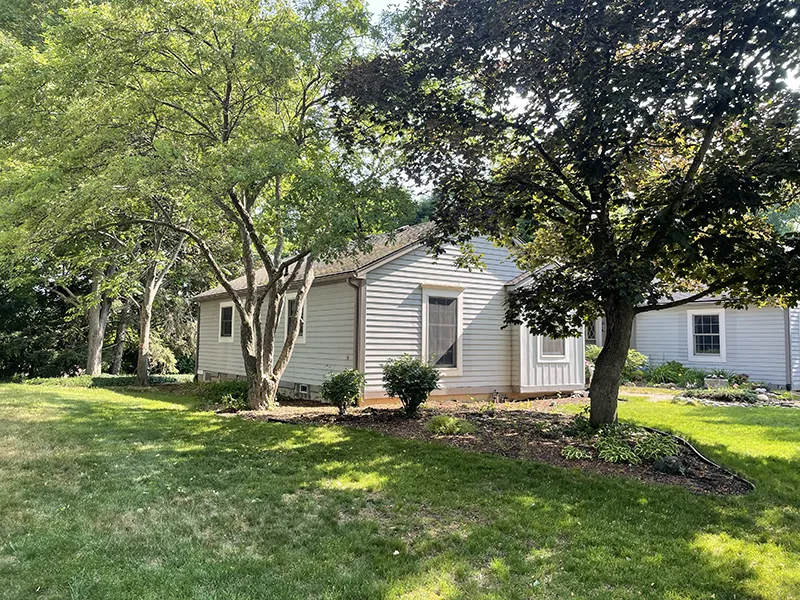
1. Thinning Canopy and Leaf Discoloration
Discolored leaves and premature leaf drops that result in a sparse canopy indicate that your tree is in distress.
There are various reasons why your tree’s foliage may be thinning out of season. These include fungal infections, root damage or root rot, and nutrient deficiencies.
When water or nutrients do not reach the leaves, whether due to a fungal infestation blocking their pathways or the roots having difficulty absorbing them, the lack of sustenance shows in the leaves. This causes them to get discolored and fall from the tree.
What should you do if your tree’s canopy is discolored or thinning?
An arborist can give your tree a comprehensive assessment to find out the cause of your tree’s sparse foliage. Based on the results, they will provide you with recommendations to address the issue.
For example, suppose a specific fungus has been identified. In that case, they can apply fungicides and implement preventive measures to stop the spread of the infection to other trees in the surrounding area.
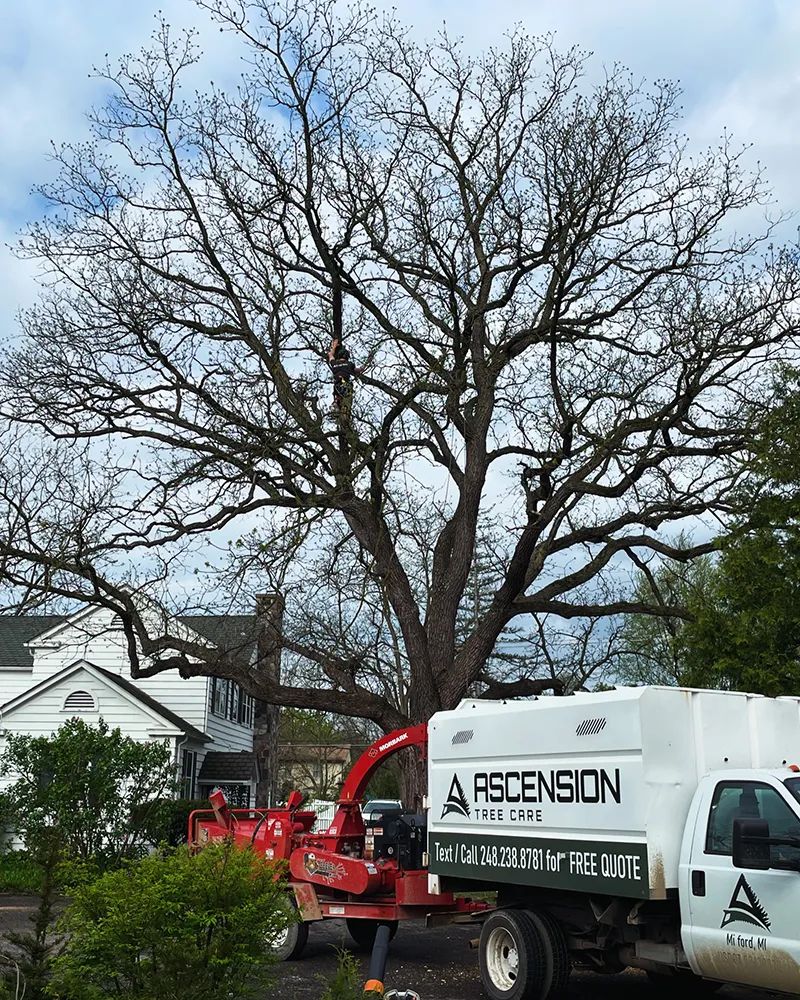
2. Dead or Dying Branches
Dead and dying branches also mean that your tree’s health is in trouble. This can point to diseases, pest infestations, root problems, and environmental and physical stress.
Common signs of disease or death in tree branches include:
- Flexible branches break when bent gently.
- Cracks or splits in the outer bark.
- Inner bark is dry and brittle instead of moist and green.
- Fungal growth.
- Broken branches that fall off the tree.
What should you do if your tree’s branches are dead or dying?
A professional tree health assessment can pinpoint the cause of your tree branches’ death. Dead and diseased branches should be pruned, followed by efforts to improve the tree’s health. If more serious issues are found, such as infectious diseases and persistent invasive insects, stringent disease management is required.
3. Cracks, Cankers, or Oozing Sap
If the tree trunk or branches have cankers, cracks, or oozing sap, it needs immediate attention. When cracks and wounds appear out of nowhere, they’re often caused by a severe fungal infection beneath the bark, usually carried by pests like bark beetles.
When the pathogen spreads beneath the outer bark, the bark’s surface will be sunken, swollen, cracked, or discolored. Leave it untreated, and it’ll kill the branches, causing the tree to deform or die.
What should you do if your tree has cracks, cankers, or oozing sap?
It’s best to take action at the first sight of tree cracks or wounds as developed cankers can be challenging to treat, depending on their location and severity. More importantly, prevention is the best weapon against them, which means regular inspections and tree maintenance.
4. Stunted Growth
Much like with any living thing, health problems can lead to stunted growth. If there’s minimal growth year after year despite your best efforts, common causes of an underdeveloped tree can include:
- Issues in the tree root system.
- Poor soil conditions.
- Overwatering or lack of water resources.
- Pest problems or tree diseases.
- Environmental stress (competition, drought, or extreme temperatures).
Aside from the lack of overall growth, deficiencies also compromise the tree’s structural integrity.
What should you do if your tree struggles to grow?
A comprehensive plant health care program from tree experts can put your tree on the right track to thrive. Regular maintenance, mulching, deep root fertilization, and root collar excavation can improve your tree’s access to water and nutrients, effectively boosting its growth.
5. Overgrowth
You also don’t want overgrowth, as it can result in a weak, unstable tree. Aside from branches competing for nutrients, potential hazards include tree limbs that may damage your home and power lines, both of which increase the risk of fire. The thick foliage also catches strong winds, making it susceptible to structural damage during Michigan storms.
What should you do with an overgrown tree?
The best solution to overgrowth is corrective pruning. However, it’s not as simple as removing branches that grow out of control. A tree care professional knows which branches to cut back, such as crossing limbs, downward branches, poorly spaced branches, and those that could pose a safety hazard.
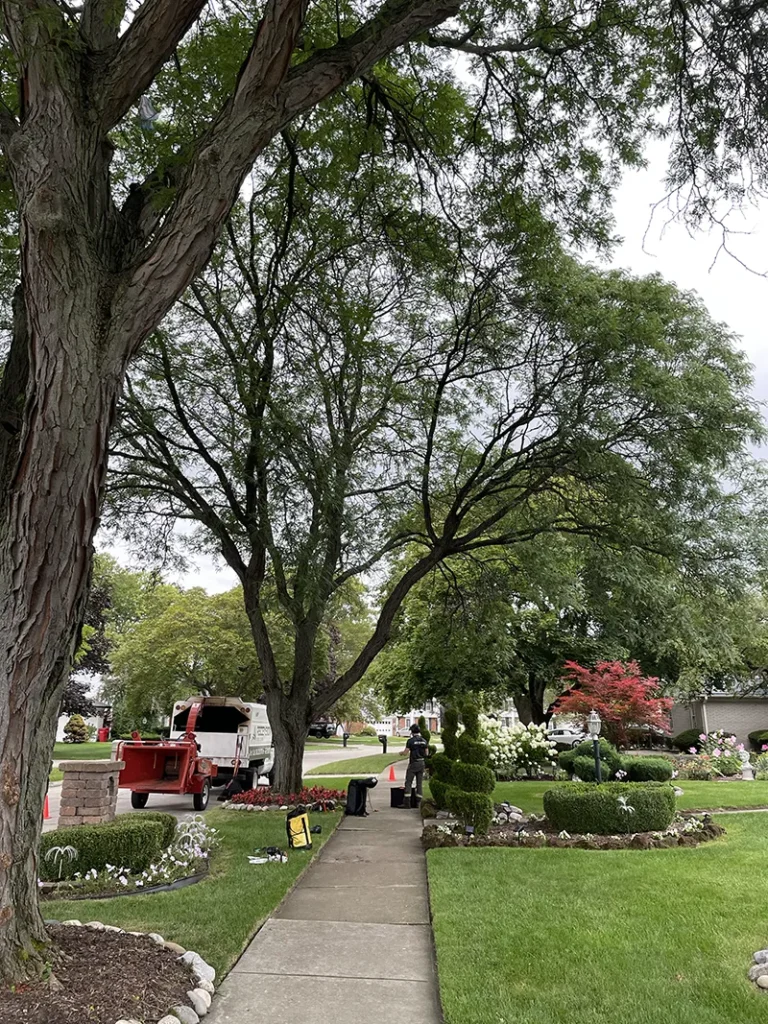
Why Plant Health Care is Crucial
Just because a mature tree might seem self-sustaining, it doesn’t mean it no longer needs consistent support to maintain good health.
Plant Health Care (PHC) from a professional arborist puts trees’ health front and center, rather than focusing on pests and taking aggressive action such as applying harmful pesticides.
The PHC program provides professional care services that aim to improve the health of your trees long-term.
Regular Tree Inspections
Proper care begins by identifying your tree’s needs. An arborist can identify your tree’s weak points and ways to improve them, enabling timely intervention for potential problems.
Regular Pruning and Tree Trimming
Regular pruning and trimming can strengthen the tree’s structure, prevent the spread of disease, avoid property damage, and keep your prized trees aesthetically pleasing.
Soil Amendments
Soil care is crucial if you want your tree to live and flourish. Soil amendments may include mulching, composting, and deep-root fertilization to boost its nutrient content.
Root Collar Excavation
The tree root collar, also called the root crown or root flare, must be above ground; otherwise, the tree suffocates. This part of the tree may get buried in soil or mulch over time. Professional arborists can perform a root collar excavation, exposing the collar to oxygen without damaging the roots.
Pest Control
Managing pests and diseases present in Milford, Michigan, requires extensive expertise. Arborists know how to best care for your trees while protecting them from pests, such as pruning at the right time and applying macrofungicide injections.
In severe cases, pest control involves the entire tree removal and stump grinding of diseased trees to preserve the healthy trees on your property.
Hire Arborists for Plant Health Care
With consistent care and support, urban trees are sure to survive and thrive year-round amid Milford, Michigan’s challenges. A PHC program doesn’t just treat health concerns when they become apparent. It keeps them at bay.
For Plant Health Care and tree care solutions in Milford, Michigan, and the surrounding areas, Ascension Tree Care is the tree company you can trust.
Our seasoned ISA-certified arborists are equipped with expertise, experience, and state-of-the-art equipment to get your tree in its best shape inside and out.